
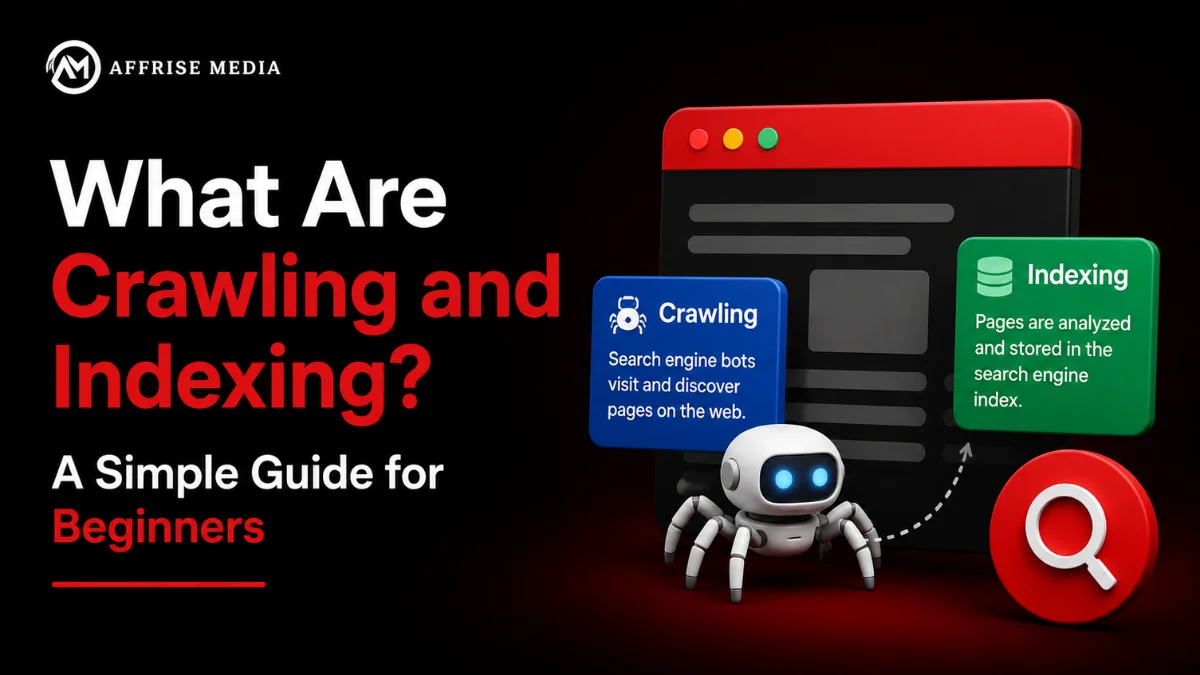
If you are new to SEO, terms like bots, search engines, rankings, and website visibility can feel confusing at first. Many beginners spend time learning topics like What is on page seo but often overlook the basic processes that make search visibility possible in the first place. Before your content can rank on Google, search engines first need to discover your pages and store them properly. That process starts with crawling and indexing.
Understanding how search engines work behind the scenes can help you build a stronger website, improve visibility, and fix common SEO problems faster. Once you understand the connection between crawling indexing and ranking, SEO becomes much easier to manage.
In this beginner-friendly guide, you’ll learn how search engines discover pages, what happens after discovery, and why these steps matter so much for organic traffic.
What Is Crawling?
In simple terms, crawling is the process search engines use to discover new pages and updated content on the internet. Search engines like Google use automated programs called crawlers or spiders to scan websites. These bots move from one page to another through links, collecting information along the way.
When someone asks what is crawling in seo, the easiest explanation is this: search engines are constantly exploring the web to find content worth showing in search results.
Imagine a librarian walking through endless shelves, checking every book and taking notes about where each one belongs. That is similar to how crawlers work online.
The process of crawling and indexing in seo begins when a search engine bot visits your website. It checks your pages, follows internal links, reads text, and identifies new or updated content.
Without crawling, search engines would never know your pages exist.
How Search Engine Crawlers Work
To fully understand what is crawling in seo, it helps to know how crawlers move through websites.
Search engines usually discover pages in several ways:
- Through internal links
- Through backlinks from other websites
- Via XML sitemaps
- Through previously indexed pages
Once a crawler lands on your page, it analyzes different elements, including:
- Titles
- Headings
- Keywords
- Images
- Internal links
- Page speed
- Mobile usability
The crawler then sends this information back to the search engine database for processing.
This is where crawling and indexing in seo become closely connected. Crawling collects the information, while indexing stores and organizes it.
Many website owners focus only on rankings, but crawling indexing and ranking are all connected stages of the same SEO journey.
What Is Indexing?
After crawling comes indexing. Many beginners ask, what is indexing in seo and why does it matter so much?
Indexing is the process where search engines store and organize webpage information after crawling it. If your page is indexed, it has a chance to appear in search results.
Think of Google’s index as a giant digital library. Once crawlers read your page, search engines decide whether the content is valuable enough to save in their database.
When discussing what is indexing in seo, it is important to understand that not every crawled page gets indexed. Search engines evaluate quality, relevance, originality, and technical performance before including a page in search results.
The role of indexing in seo is critical because even excellent content cannot rank if it is not indexed properly.
Why Crawling and Indexing Matter
The importance of crawling and indexing in seo cannot be overstated. These processes determine whether your website can even appear in search results.
If search engines cannot crawl your website, they cannot access your content. If they cannot index your pages, your content remains invisible online.
That is why website owners should regularly monitor crawling and indexing in seo performance using tools like Google Search Console.
Strong seo crawling and indexing practices help search engines understand your site structure, identify valuable pages, and improve visibility.
At the same time, weak technical SEO can prevent pages from being discovered or indexed correctly.
Common Problems That Affect Crawling
Many websites unknowingly create barriers for search engine bots. If you are still wondering what is crawling in seo, it also involves understanding what can block crawlers from accessing content.
Some common crawling issues include:
- Broken Links
Broken internal links interrupt crawler navigation and reduce website efficiency.
- Slow Website Speed
Very slow websites may prevent crawlers from accessing all pages efficiently.
- Poor Site Structure
Confusing navigation makes it difficult for bots to understand content relationships.
- Robots.txt Errors
Incorrect robots.txt settings can accidentally block important pages from being crawled.
- Duplicate Content
Too much duplicate content can confuse search engines during crawling indexing and ranking evaluation.
Fixing these issues improves the overall process of crawling and indexing in seo.
Common Problems That Affect Indexing
Now let’s look at issues related to what is indexing in seo. Even if a page gets crawled successfully, search engines may still decide not to index it.
Here are some common reasons:
- Thin Content
Pages with very little useful information may not qualify for indexing.
- Duplicate Pages
Search engines avoid storing multiple versions of the same content.
- Noindex Tags
A noindex tag tells search engines not to include a page in search results.
- Poor Content Quality
Low-value or AI-spam content may struggle with indexing in seo.
- Lack of Internal Links
Pages with weak internal linking are harder for search engines to evaluate.
Improving content quality and technical SEO helps strengthen indexing in seo performance.
The Relationship Between Crawling, Indexing, and Ranking
Many newbies assume that ranking is an immediate process after uploading the content. What actually happens is that search engines use what is called crawling indexing and ranking process.
These steps include:
- Crawler finds your page
- Analyzing the content using a search engine
- Indexing the page
- Checking the content for quality and relevance
- Ranking of the page
If crawling and indexing don’t occur properly during the seo process, ranking becomes impossible.
Therefore, technical seo plays an equally important role as content creation.
How to Improve Crawling and Indexing
To be visible in the online world, improving crawling and indexing in seo must become a goal.
Here are some easy methods to help search engines process your site.
- Create an XML Sitemap
It will help search engines to crawl the crucial pages on your website.
- Utilize Internal Links
These links enable crawlers to move around your website and improve the connections between pages.
- Produce High-Quality Content
Good content is necessary for crawling and indexing in seo.
- Accelerate Your Website
The speed of a website is essential because fast websites have a good user experience.
- Remove Broken Pages
Through auditing, you can identify technical problems that can hamper crawling and indexing in seo.
- Ensure Mobile-Friendly Design
Mobile-first indexing is now used by Google.
How Long Do Crawling and Indexing Take?
One of the most common beginner questions after learning what is crawling in seo is how long the process takes.
The answer varies.
Some pages are crawled and indexed within hours, while others may take days or weeks. Factors affecting speed include:
- Website authority
- Content quality
- Internal linking
- Crawl budget
- Server performance
When discussing what is indexing in seo, patience is important. Search engines need time to properly evaluate and process content.
Submitting pages through Google Search Console can sometimes speed up crawling and indexing.
Signs Your Website Has Indexing Problems
There are several warning signs of problems with indexing in SEO.
These include:
- Pages not appearing in Google search
- Sudden traffic drops
- Indexed pages decreasing
- Duplicate content warnings
- Crawl errors in Search Console
Monitoring your website regularly helps identify issues before they affect rankings.
Good crawling and indexing practices ensure search engines can consistently discover and store your content.
Conclusion
Learning the basics of what is crawling in seo and what is indexing in seo is one of the most important steps for SEO beginners. These processes form the foundation of how search engines discover and organize online content.
Without proper crawling and indexing, even the best articles may never appear in search results. That is why website structure, content quality, technical SEO, and internal linking all matter.
The more you understand crawling and indexing in seo, the easier it becomes to improve your website’s visibility and organic traffic over time.
Whether you run a blog, business website, or online store, understanding these SEO fundamentals will help you build a stronger digital presence. The next time you open your browser and see the phrase Search google or type a url, remember that search engines rely on complex systems to deliver those results in seconds.
FAQs
A:What is crawling in seo refers to the process where search engine bots scan websites and discover new or updated pages online.
A: What is indexing in seo is the process of storing and organizing webpage information inside a search engine database so it can appear in search results.
A: Crawling and indexing are essential because they allow search engines to discover, analyze, and display website content in search results.
You can improve crawling and indexing in seo by using internal links, fixing broken pages, improving website speed, and creating high-quality content.
A: In crawling indexing and ranking, crawling discovers pages, indexing stores them, and ranking determines where they appear in search results.