
Search engines have become smarter. Gone are the days when content used to rank only because of using keywords a specific number of times. Today, it values quality, the use of the right LSI keywords, context-building phrases, and related terms. This demonstrates that SEO is evolving, and latent semantic indexing is one of its components. The delivery of comprehensive information aligned with user intent has become increasingly prominent. Therefore, in the changing times, it is important to stay up to date on these topics and to understand the differences between white hat v/s black hat in detail. In this blog, we are focusing on what LSI keywords are, their importance in SEO, and how to use them correctly for better visibility and traffic. So, wait no more as the following sections have answers to all such questions in detail.
What Is Latent Semantic Indexing or What Is LSI?
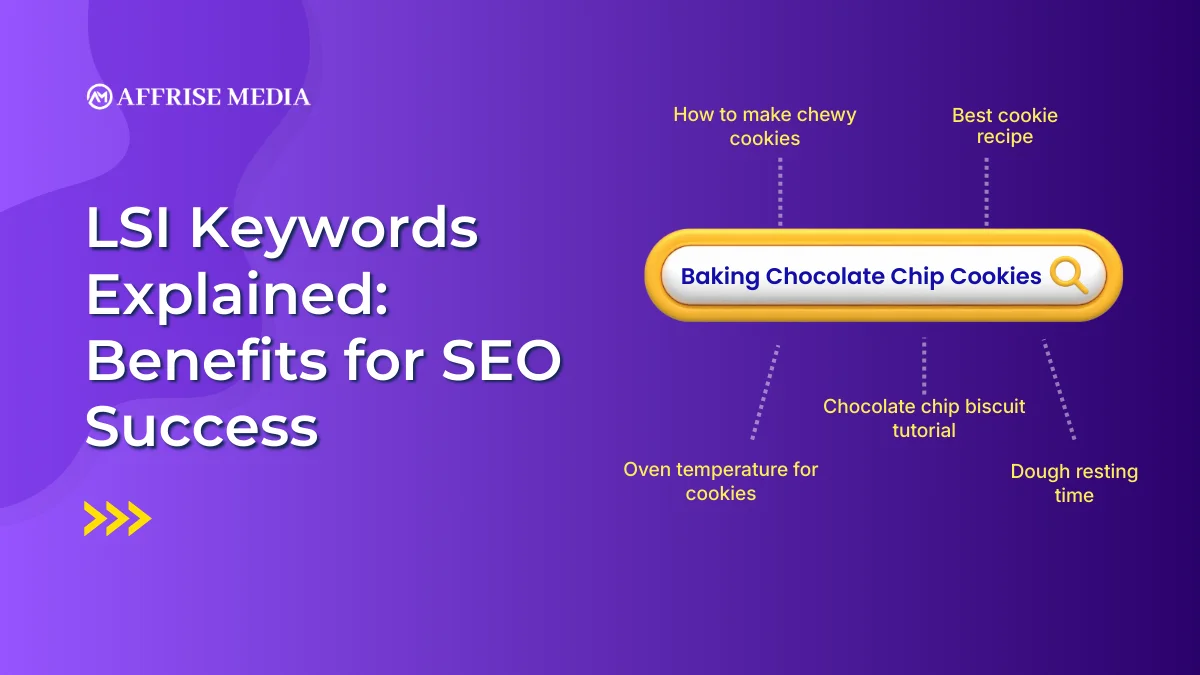
Latent semantic indexing is a technique used by search engines to interpret the actual meaning of any page. Search engines consider words, phrases, and the page’s overall context to interpret the literal meaning and deliver relevant results that match the user’s search query. In a nutshell, LSI keywords are supportive terms or phrases that boost SEO, traffic, and visibility by making the content more comprehensive, user-generated, and natural.
Now that you know what are LSI keywords or what is latent semantic indexing, it is time to understand its role in SEO and how it helps with the same.
How Does Latent Semantic Indexing Help in SEO?
Are you wondering how using LSI keywords boosts SEO? If yes, from an SEO perspective, LSI keywords play an essential role, offering multiple benefits which are outlined below.
Prevents Keyword Stuffing
Using primary keywords can often make content appear keyword-stuffed. However, using LSI keywords prevents stuffing. It makes content look more readable and natural, which boosts SEO. It allows you to use different versions of the same keyword or other keywords that match the user intent. Above all, Google prioritizes content that offers value rather than merely meeting keyword requirements.
Boosts Rankings for Multiple Queries
Using primary and secondary keywords alone is not enough. LSI keywords also play a crucial role in SEO. Their proper use ensures that the search engine prioritizes such content, helping it rank for multiple queries. In any case, the more a piece of content ranks for multiple keywords, the more it boosts traffic and website authority.
Improved User Experience
One of the biggest mistakes people make when writing for SEO is to focus only on primary or secondary keywords. Search engines value content that uses keywords appropriately and contains more relevant information about the subject. When quality information is provided and covers related topics, it is best from a user perspective. The more a user engages, the better the SEO performance.
Also Check: Performance Marketing Agency in India
Reduces Bounce Rate
The use of LSI keywords makes a topic more organized and covers all essential topics, which are particularly helpful to a larger audience. Thus, the more informative and qualitative a topic is, the more helpful it is for the audience. Thus, using LSI keywords reduces bounce rate and encourages users to stay longer on a page or website.
Check: difference between internal and external link
Supports Long-Term Stability
Using LSI keywords helps in retaining its static position even if the algorithm changes. Due to search engine updates, page rankings get affected. However, when LSI keywords are used appropriately and high-quality content is delivered, search engines prioritize this and ensure page rankings are not affected.
It is how LSI use helps in search engine optimization. Now that you know its benefits, it is time to explore how to use these keywords effectively to increase visibility and traffic.
How to Choose the Right LSIs for an Improved SEO?
There is no hard and fast rule on how to choose the right LSI; however, with the steps stated below, you will have a better understanding of which LSI you should opt for rather than others.
Understand the Intent
Before incorporating LSI into your content, it is important to understand the intent. It will come when you brainstorm what the user might be looking for when entering a query in the search bar. Make a list of those keywords, phrases, or words that come into your mind and jot them down. For example, if the topic is “best mobile phones under 15000,” possible LSI terms include budget-friendly mobile phones, latest phones under 15000, Android phones under 15000, and more.
Use Google Auto Complete Feature & Other Tactics
Latent semantic indexing (LSI full form in SEO) is a technique used by search engines to understand the context of any page. Thus, to make the search engine understand the intent, you can use the Google auto-suggest feature that shows real search queries in real time. Furthermore, you can also equally consider the “people also search for” box and suggestions recommended at the end of the search engine results pages.
Also Read : search google or type a url
Focus on Competitors
“What are LSI keywords?” is a query whose answer you can easily find via your competitors. Select your topic and search for it; the first 2-3 competitors can help you learn more about them. It will tell you what search engines are actually looking for. Reviewing competitors is crucial for understanding LSI keywords and their strategies.
Use SEO Tools
Using SEO tools also plays an important role in understanding “what are LSI keywords.” Tools such as Ahrefs, SEMrush, and Ubersuggest recommend LSI keywords related to the main topic. However, you need to filter them out based on keyword volume, difficulty, and relevance to your topic.
Pick The One That Naturally Fits
After going through the points above, you now have an idea of how to sort LSI’s best for your content. However, when you are sure about them, ensure they fit naturally into the content and do not look forced. These should look natural in the whole body, heading, conclusion, internal links, and product descriptions.
Consider Long Tail Keywords
Lastly, consider long-tail keywords related to the topic. The reason is that such keywords have low competition, which increases the likelihood of specific search queries and voice search patterns. Thus, if possible, try to balance short- and long-term keywords by focusing primarily on long-tail ones.
Wrapping Up
We hope that with the sections above, you might have gained clarity on “what are LSI keywords” or the LSI full form in SEO. Next time you want to improve SEO, remember to incorporate the right LSIs, as they enhance user experience and help search engines understand a page’s intent and purpose. Above all, if this is confusing or you are not clear about what is on-page SEO, do not look further than Affrise Media. We are a 360-degree marketing agency, helping you with every pillar of digital marketing. So, what are you waiting for? Avoid confusion and level up your brand to the top.
Frequently Asked Questions
A: LSI keywords are words or phrases that are conceptually related to your main keyword. For example, if the main keyword is mobile phones under 15000, LSIs can be Android phones, iPhone, camera, 5G mobile phones under 15000, Oppo K13, and much more.
A: LSI keywords affect SEO in many positive ways. It improves relevance for the audience, enhances the user experience, and provides a deeper understanding of any topic, which, in turn, improves SEO and traffic.
A: No, LSI keywords are the synonyms of the main keywords; instead, they are words or phrases that are semantically related, or that will definitely be used in a discussion. For example, if cake is the main keyword, LSIs could include flour, sugar, freshly baked cake, and eggless cake.
A: You can find LSI keywords for your content with Google’s autocomplete feature, from the people also ask section, the bottom of search engine results pages, or with the help of tools such as Ahrefs or Semrush.
A: Yes, using LSI keywords improves search rankings because they provide a comprehensive understanding of a topic, a better user experience, and avoid keyword stuffing.